


is technology becoming a seductive illusion rather than an authentic experience1?

by Marc Baumgartner
IFATCA SESAR CoordinatorAlbert Einstein stressed that “the human spirit must prevail over technology”. In other words, we must prioritise ethics amid automation and robotization.
At the end of 2025, IFATCA provided me with the opportunity to publicly discuss different facets of the future of our profession. This motivated me to create an overview of what could be carved out, although we might just be at the start of a fundamental change which will also (and some might say ‘eventually’), impact Air Traffic Management (ATM).
Some recently endorsed plans to decommission certain elements of ATM ground infrastructure are currently being revisited due to the impact of conflict zones around the globe. These pose fresh challenges to existing ground and airborne technology (GNSS Radio Frequency Interferences or RFI) for spoofing and jamming, for example). Needless to say that this impacts the modernisation efforts of the ATM sector. Nevertheless, the U.S. FAA has launched a very ambitious plan for modernisation of ATC infrastructure in the United States (FAA 2025), SESAR in Europe has published the latest edition of the ATM Masterplan which aims to digitalise ground infrastructure, and discussions have started on transposing SES 2+ into operational reality.
Early interesting stages of digitalisation initiatives emerge throughout the ATM landscape, with varying degrees of success. We observe that the human is put in the centre of these modernisation debates, either as a hindrance or a centrepiece for the successful evolution of the ATM sector. An industry representative recently commented that we have still not evolved in this sector since they left fifteen years ago and that we are still debating the role of the human in the future system.
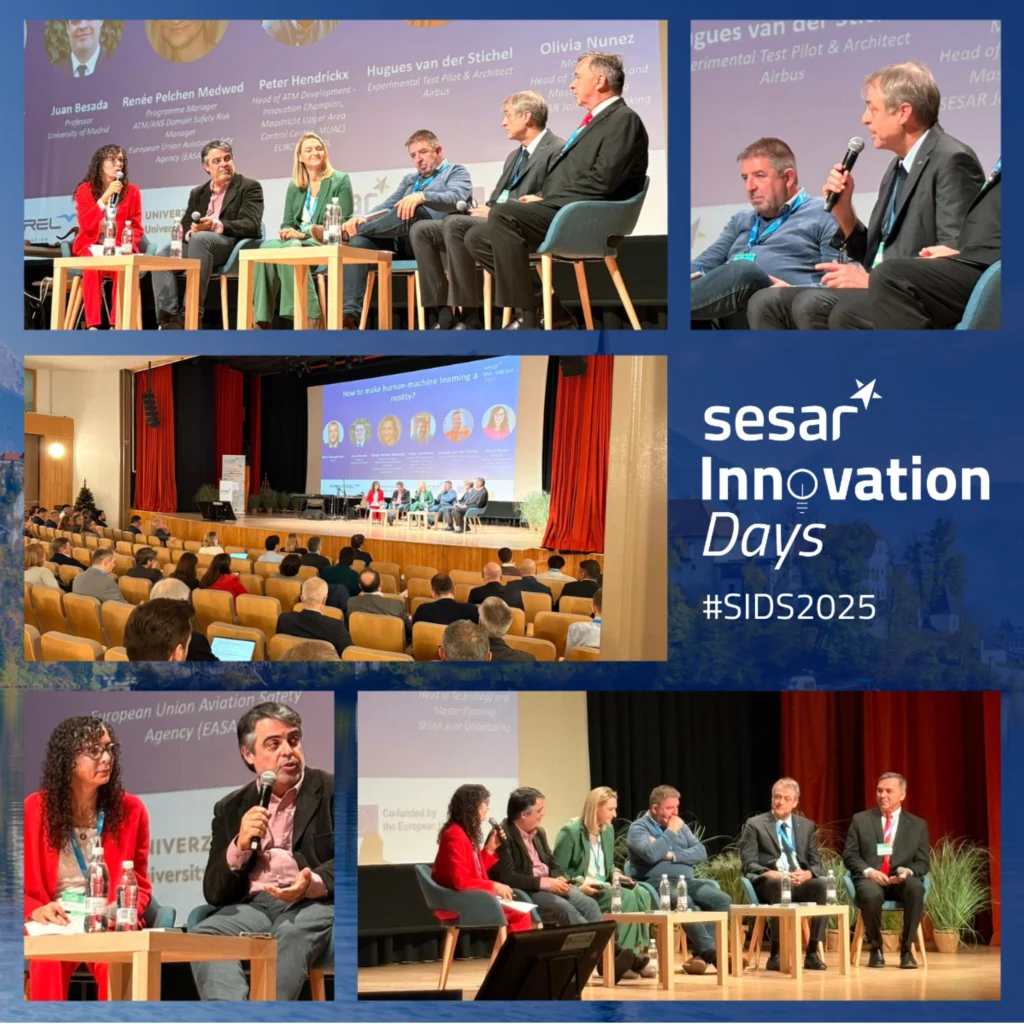
During the SESAR innovation days, IFATCA participated in a panel, titled “Smells like ‘team’ spirit: human-machine collaboration in air traffic management”. The lead in question from the chair provided me with the opportunity to try to de-mystify a recurring perception: whilst air traffic controllers face changes nearly every week, it is commonly believed that controllers are against any change, regardless of whether the proposed change is a higher degree of automation or Artificial Intelligence or a change to approach procedures. The French call it a serpent de mer, literally a sea-snake, which could best be interpreted as a recurring issue or an issue that will not go away. However, controllers have been regularly disappointed over the last decades with promises of new working tools, which seldom live up to the promises made. Part of the reason for this is that the fragmentation of working tools has made it impossible to create industry-wide standards. Perhaps more fundamentally, as an ATM industry we have not decided what the role of the air traffic controller is and/or will be in the short to mid-term future. In particular, looking at the evolution of the ATM Masterplan evolution from its first edition in 2012 to the latest (Edition 2025), this role remains ambiguous. From complete disappearance to a sort of system manager with oversight functions in some concepts, to an essential part of the Human-Machine, Human-Automation, Human-AI team in others. However, the controller is still very muc a vital part of the system, and the profession has recently been in the spotlight again, not only on a European level, as the cornerstone with regard to creating sufficient capacity for airspace users in the ATM system.
Another question which might have to be addressed is what Hollnagel, Klein and Woods have labelled ‘affordance’2. Why are we designing a system? What purpose does it serve? Why are we doing it? These questions are not necessarily answered prior to researching or developing ATM tools. In other words, the availability of a higher-degree of digitalisation, new technologies such as Machine Learning and Artificial Intelligence, and, for example, Large Language Models, does not necessarily mean they serve the immediate needs of the ATM environment. Some spectacular, non-ATM related uses of LLM have created an enthusiastic shift in vision of many in the ATM sector and led many to believe that the digital revolution will finally solve the long-standing problems of a workforce-intensive sector, where a selected few, highly specialised ATCOs play a (perhaps too important) role and have the potential in certain rare, but highly publicised cases, to blackmail the system.
The biggest elephant in the room in the current debate on the future of ATM might be the failure to address issues of liability and responsibility. In SESAR 1, a project called ALIAS looked into this. With the new technology that is due to arrive in ATM, this question of liability will become increasingly urgent. IFATCA’s Joint Cognitive Human-Machine System Working Group (JCHMS) has addressed the question in a theoretical way and the publication of the EASA Notice of Proposed Amendment 2025-07, dealing with the Detailed specifications and associated acceptable means of compliance and guidance material|Artificial Intelligence trustworthiness, offers the first approach to reflect on liability issues in our sector.
While the new technology such as Machine Learning/Artificial Intelligence is improving rapidly and spectacularly for activities around ATM, such as Safety Management Systems, critical infrastructure maintenance, meteorological measurements, etc., the core business (separation and efficiency), may lag behind. That poses the challenges with regard to the fundamental concepts of Safety Culture (as defined by Reason) and, in particular, Just Culture.
The Spanish association APROCTA held their Safety and Just Culture Conference in November last year. Over the two-day conference, judges, prosecutors, pilots, regulators, ANSPs and ATCOs discussed Just Culture. I was able to present the identified challenges regarding legal liability in the future, the concept of Just Culture under a possible AI regime.
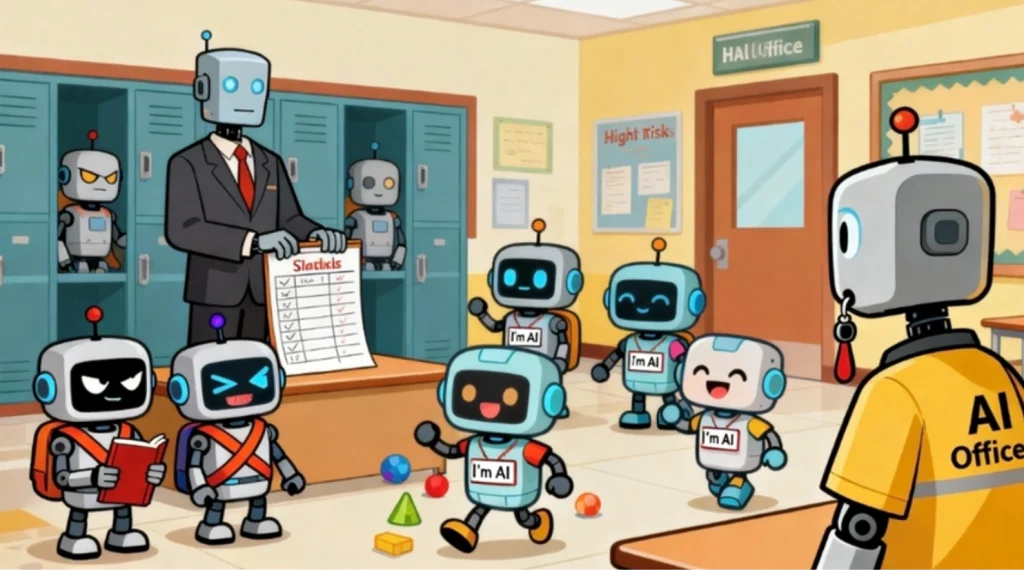
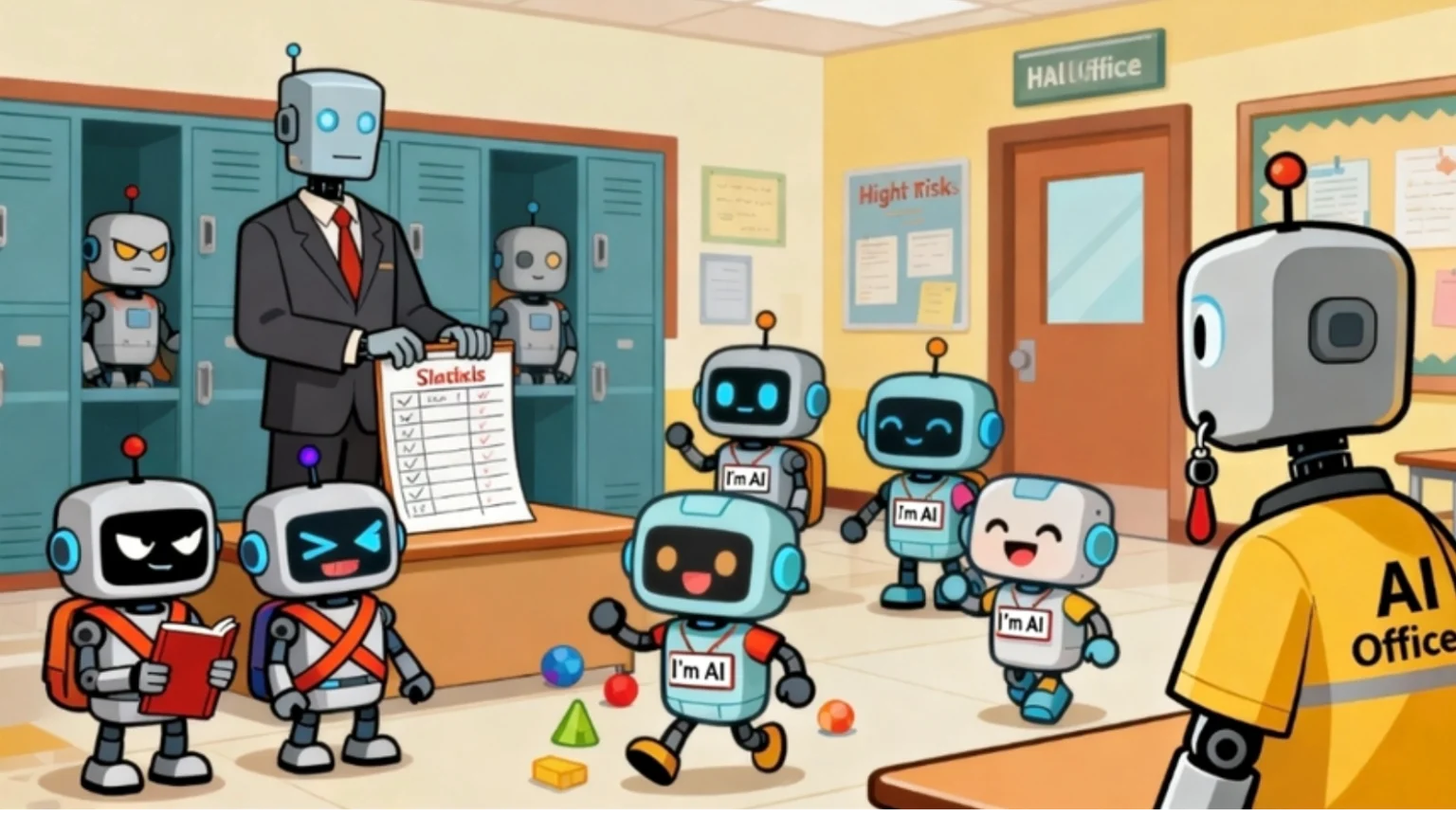
Following the publication of the Digital EU AI Act, and the subsequent work of EASA in the Rule Making Taskforce (where IFATCA was represented by Nora Berzina and Stathis Malakis, which led to NPA 2025-07), it is time to reflect upon the impact of new technologies on the well-established principles of Just Culture.
Maybe it comes back to the initial issue we identified: what is the role of the human in the future?
Food for thought.
1 Jean Baudrillard https://theconversation.com/how-the-french-philosopher-jean-baudrillard-predicted-todays-ai-30-years-before-chatgpt-267372
2 The quality or property of an object that defines its possible uses or makes clear how it can or should be used. We sit or stand on a chair because those affordances are fairly obvious.
—Scott Lafee , Miriam Webster Dictionnaire, accessed on 12.01.2026