



by Olubunmi Balogun
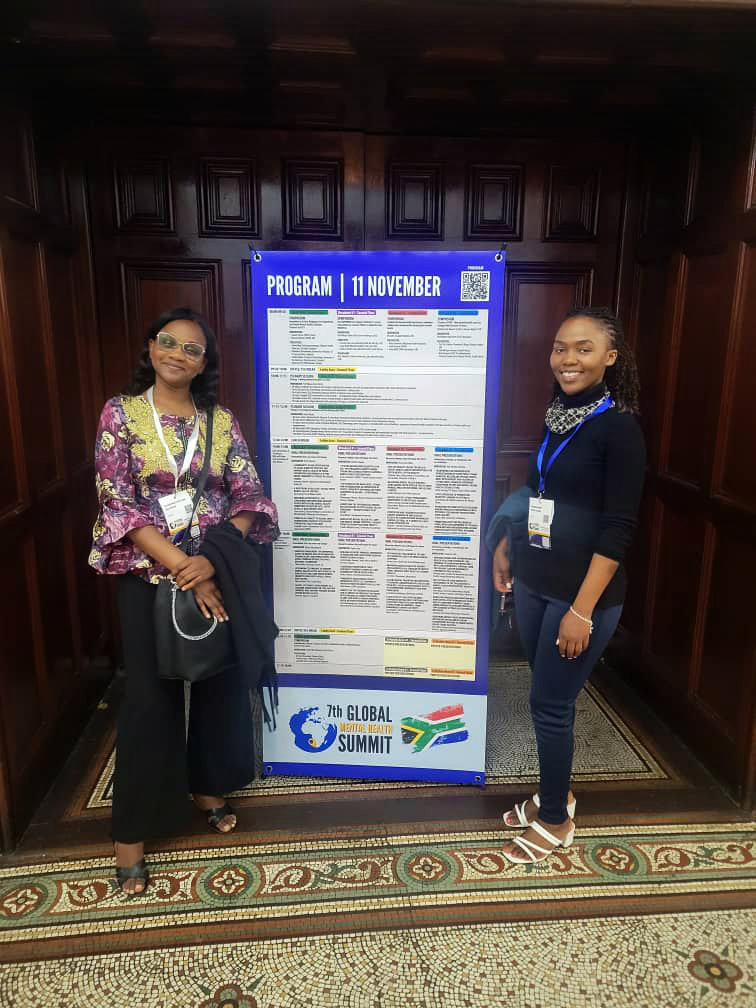
IFATCA Mental Health Task ForceThe Global Mental Health summit, organised by the movement for Global Health, took place from the 10th to the 12th of November 2025 in Cape Town, South Africa. This year’s theme was Mental Health and Wellbeing -What has changed, what needs to change?
It was attended by researchers, medical personnel and public service personnel from various countries, as well as stakeholders in relation to the research, use and the advancement of mental health issues. Attendees hailed from a wide range of countries from the various continents of the world. The summit was indeed global in its approach.
Presentations at the summit covered various areas of mental health. They were made by scientists, psychologists, psychiatrists, and, most importantly and worthy of note, were the presentations and inclusion of people with lived experiences (PWLE).
Lots of emphasis was placed on the treatment of mental issues via non-medical (or non-medicinal) approaches, as it is being discovered that this is more far-reaching, effective and with little or no medicinal side effects. The major method of doing this was by the engagement of Peer Supporters / Peer Support programs. This method not only reduces the side effects of medicines but also gives the people living with mental conditions a sense of belonging as they are being encouraged and/ or supported by people who have had lived experiences and are coping.
Some of the mental health conditions mentioned included:
- Psychosis
- Schizophrenia
- Stigma Issues
- Depression
- Substance abuse
- Trauma issues
- Post-traumatic stress disorder, etc.
Basically, approaches to the resolution of mental health issues were communal. That is, looking into community-based approaches as well as undertaking studies at community levels, thereby having a general approach to the addressing of mental health issues.
Common among the presentations/studies featured were mental health issues in communities, amongst teenagers, amongst women, and in different countries or various areas, and notably quite a lot was being done in Africa.
As an attendee however, I noticed that little emphasis or research was carried out amongst the micro-communities that will/or center(s) on professionals such as ours of the aviation industry which I gladly pointed out when I was given the opportunity. It is however important to note that there are lots of issues and approaches that we can relate with and adopt to help enhance the well-being of controllers some of which will be highlighted going forward.
Some cogent issues that we may want to consider include but are not limited to:
- The engagement of people with lived experiences in the support of people undergoing mental health issues
- Early engagement of psychologists for counselling
- Deemphasis on stigma, to increase confidence of people faced with one condition or another. (In our case as controllers, being faced with a condition goes beyond health issues, it may even refer to occurrences at work)
Some core take-homes from the conference:
- When people have traumatic issues, you don’t expect them to forget. The approach is to help them to recover.
- Social contact in the addressing of mental health issues over time have been shown to be highly effective. It is the key to addressing mental health issues.
- Organisations should promote mental health literacy. The approaches could include:
- When we keep quiet, stigma wins, (…and we cannot let that happen)
Mental health literacy is considered very important, as it will assist members understand that it is not a weakness to seek help. Early seeking help usually assists to ensure that conditions do not deteriorate.
Finally, change does not happen because I attended the summit, but it happens when I act on what I have learnt. Our success is measured by what we do next…..
So…. What’s next? (we need to be intentional about our mental health)