


by Marco Antonio Méndez López – IFATCA Mental Wellbeing Task Force
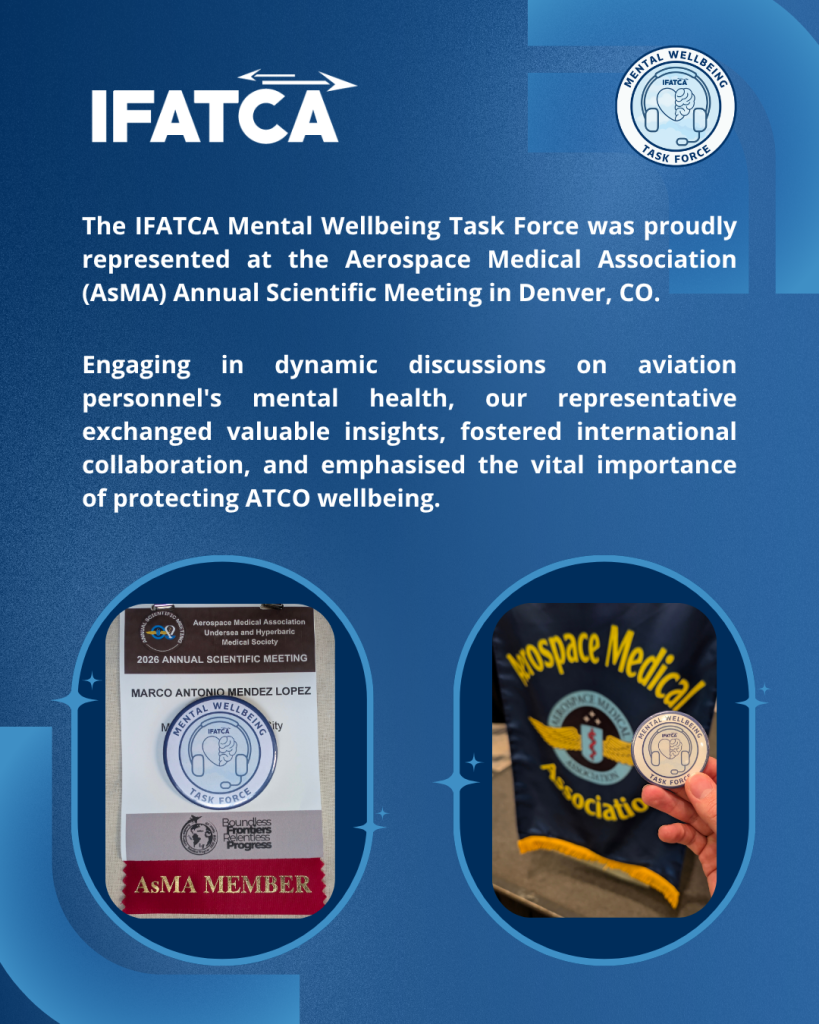
The Annual Scientific Meeting of the Aerospace Medicine Association took place in Denver, Colorado, USA, from the 17th to the 21st of May 2026. This year’s theme was: “Boundless Frontiers – Relentless Progress”. This meeting is attended by scientists, physicians, researchers and aviation/aerospace personnel.
In the five days of this academic gathering, different activities were conducted such as panels, workshops, presentations, and the exhibition of academic research results through both poster and oral presentations, alongside discussions by various committees and international organisations.
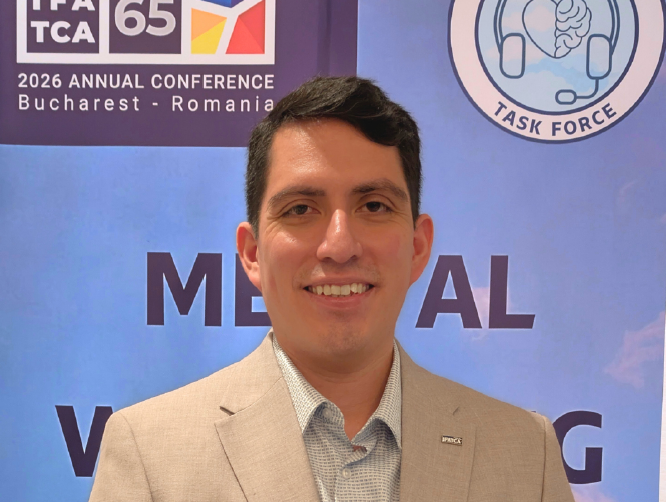
As an IFATCA MWTF and AsMA member, I participated actively in the discussions, highlighting the importance of the mental wellbeing of air traffic controllers and emphasising the need for more scientific research on ATCO personnel.
Some of the main topics of this meeting regarding mental health were:
- Peer Support Programmes (PSP) and Critical Incident Stress Management (CISM) for both aviation and aeromedical personnel: This conversation highlighted the importance of helping aviation staff, such as pilots, flight attendants, technicians, and air traffic controllers, to handle personal and job-related issues, as well as providing psychological intervention after a critical incident. Crucially, it also highlighted that medical and psychological evaluators, peers and interveners, and accident investigators, should receive psychological guidance after helping others.
- Integration of mental risks mitigation into the Safety Management Systems (SMS): One new trend regarding mental health is to incorporate the evaluation and mitigation of psychosocial risks into SMS. This helps personnel improve their mental wellbeing, leading to better performance and health at work. The main goal of this is to create an Integrated Wellbeing System for physical and mental health in aviation.
- AI Medical and Psychological Tools: The discussions explored the ethical and social biases of using AI tools for clinical decision-making. Some questions raised on this topic were: Is it reliable to use AI for diagnosis? What about statistical analysis for research? Can we use AI for shiftwork, sleep or fatigue management? The use of AI is increasing in the industry; therefore, creating usage policies and cybersecurity frameworks is essential.
- ICAO Aviation Health Meeting: Conducted by Dr Ansa Jordaan, chief of the Aviation Medicine section at ICAO. Here, different topics such as the Aviation Health Management Plan were discussed. In the ICAO Business Plan (2026-2028), one of the key actions is to support and enhance health and safety for aviation personnel, which requires multisectoral cooperation and a scientific approach. This Management Plan includes the publication of different documents such as a Health Promotion and Mental Wellbeing document which is proposed for publication by the end of the year.
Additionally, I joined the AsMA Mental Health Working Group, which next year is going to become the AsMA Mental Health Committee. In the Aerospace Medicine Association, a committee is responsible for delivering specialised research and professional guidance in aviation, aerospace and environmental medicine. Being involved in this committee will allow the voice of the air traffic controllers to be heard, ensuring our profession is considered in future scientific investigations. The goal is to increase the mental wellbeing for the ATCO community globally.
Having a seat at tables like AsMA is vital for the global ATCO community. Historically, aeromedical research and safety frameworks have heavily focused on flight crews. By actively participating in these international forums and committees, IFATCA ensures that the unique psychological stressors, operational realities, and wellbeing needs of air traffic controllers are recognised at the highest scientific level. This involvement bridges the gap between research and operational realities.
_________
©2026 The International Federation of Air Traffic Controllers’ Associations (IFATCA). IFATCA is the recognized global body representing air traffic controller associations. Founded more than 60 years ago, IFATCA now represents professionals in over 130 countries, advocating for safety, efficiency, and the welfare of air traffic controllers worldwide.